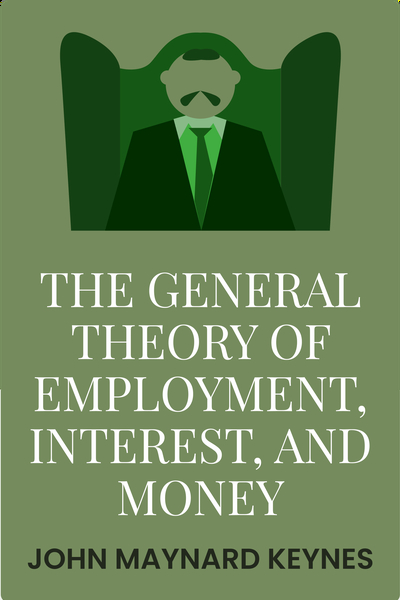
The General Theory of Employment, Interest, and Money
About This Book
The General Theory of Employment (1936) is a deep dive into the complexities of economic activity and employment. It critically examines how factors like interest rates, human psychology, and speculation influence investment and, ultimately, employment. It argues for more direct intervention by public authorities in organizing investment to mitigate instabilities, particularly during periods of economic downturn.
Who Should Read This?
- Economics students seeking in-depth knowledge
- Policymakers interested in macroeconomic strategies
- Enthusiasts of economic theory and history
About the Author
John Maynard Keynes (1883–1946) was a British economist, renowned for his innovative ideas that shaped modern macroeconomics and economic policies. Known as one of the founders of modern theoretical macroeconomics, Keynes’s work has significantly influenced economic theory and policy, justifying government intervention in the economy. In addition to the General Theory of Employment, Keynes authored several other influential works including The Economic Consequences of the Peace and A Treatise on Money.